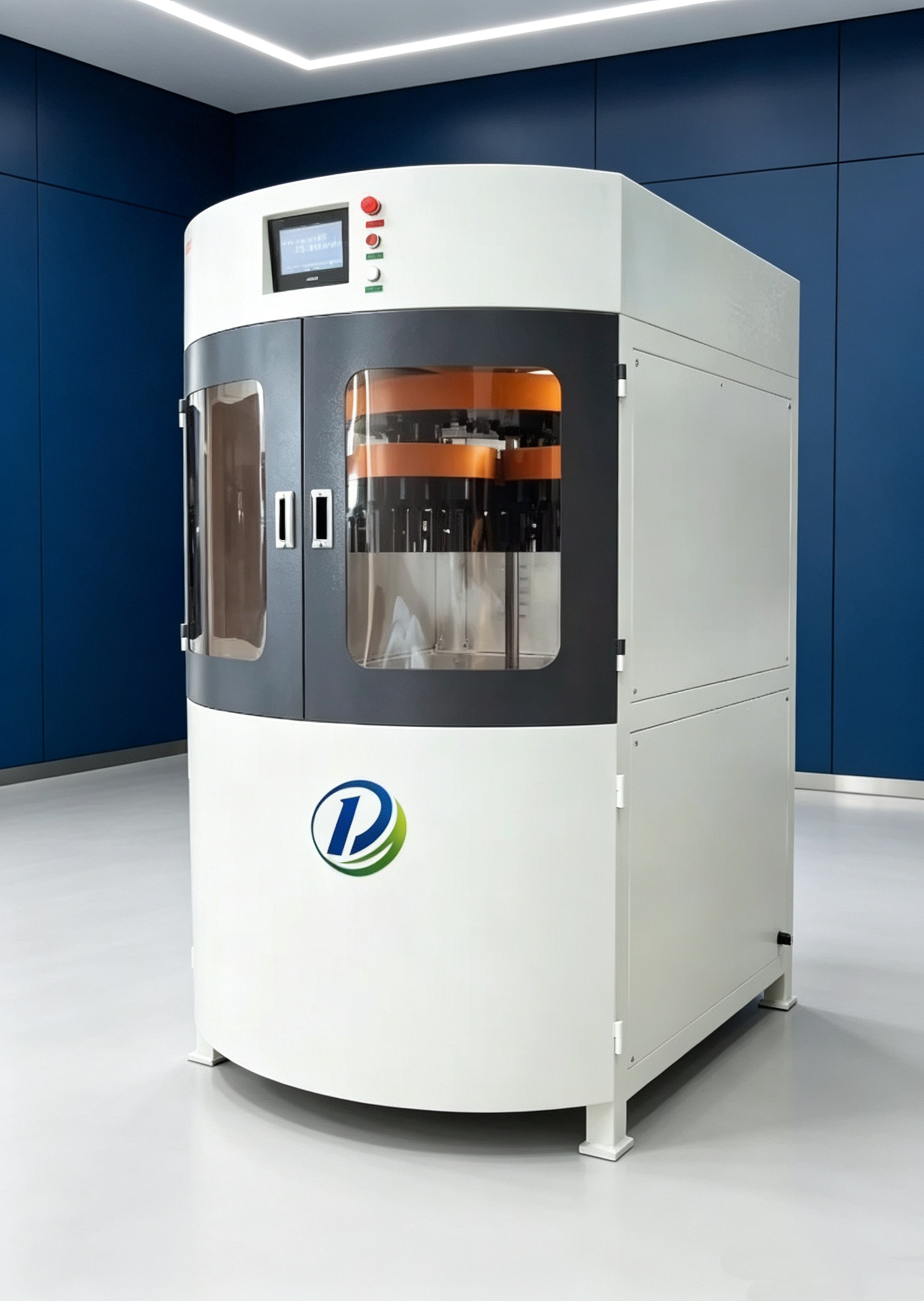
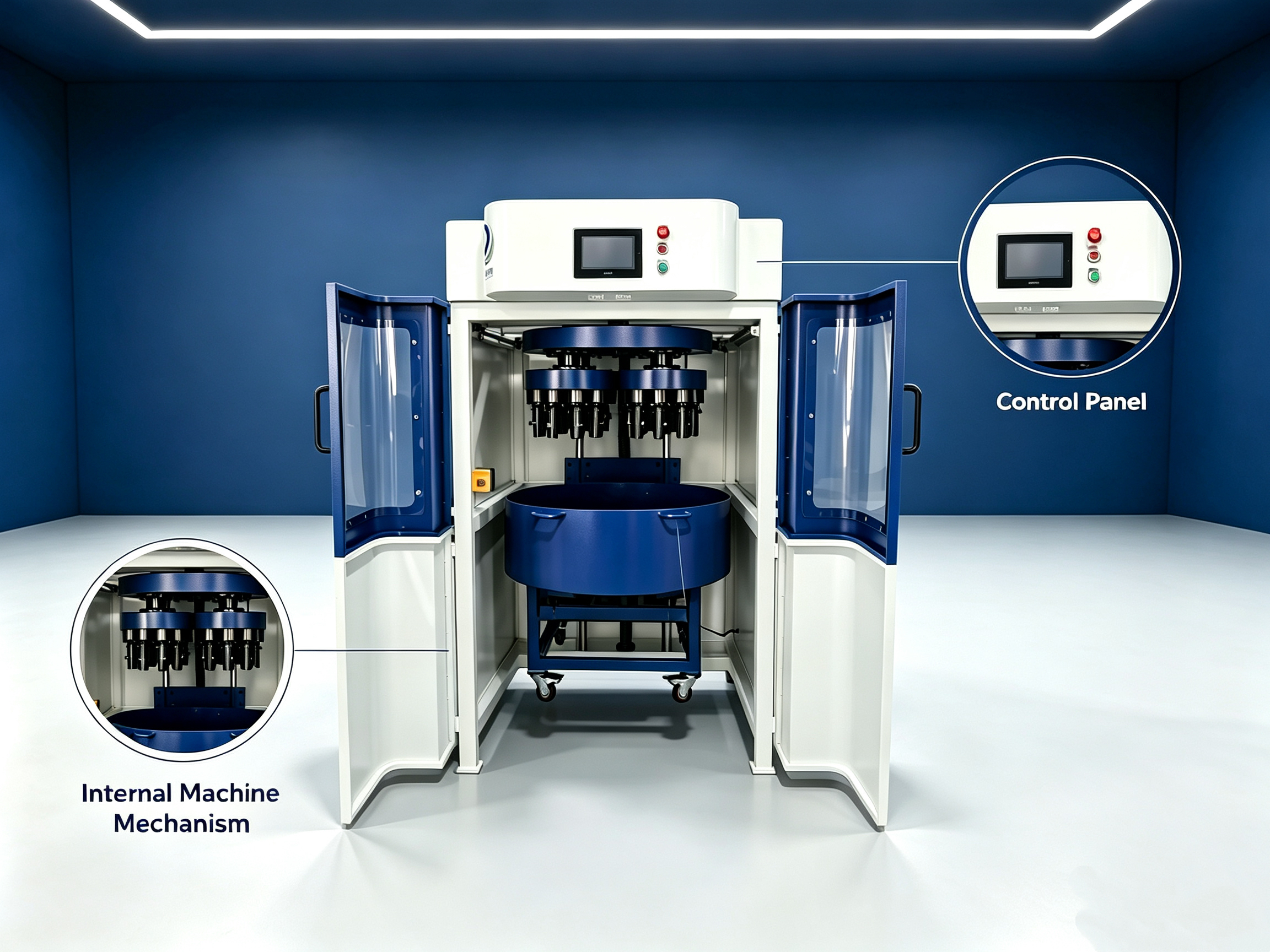
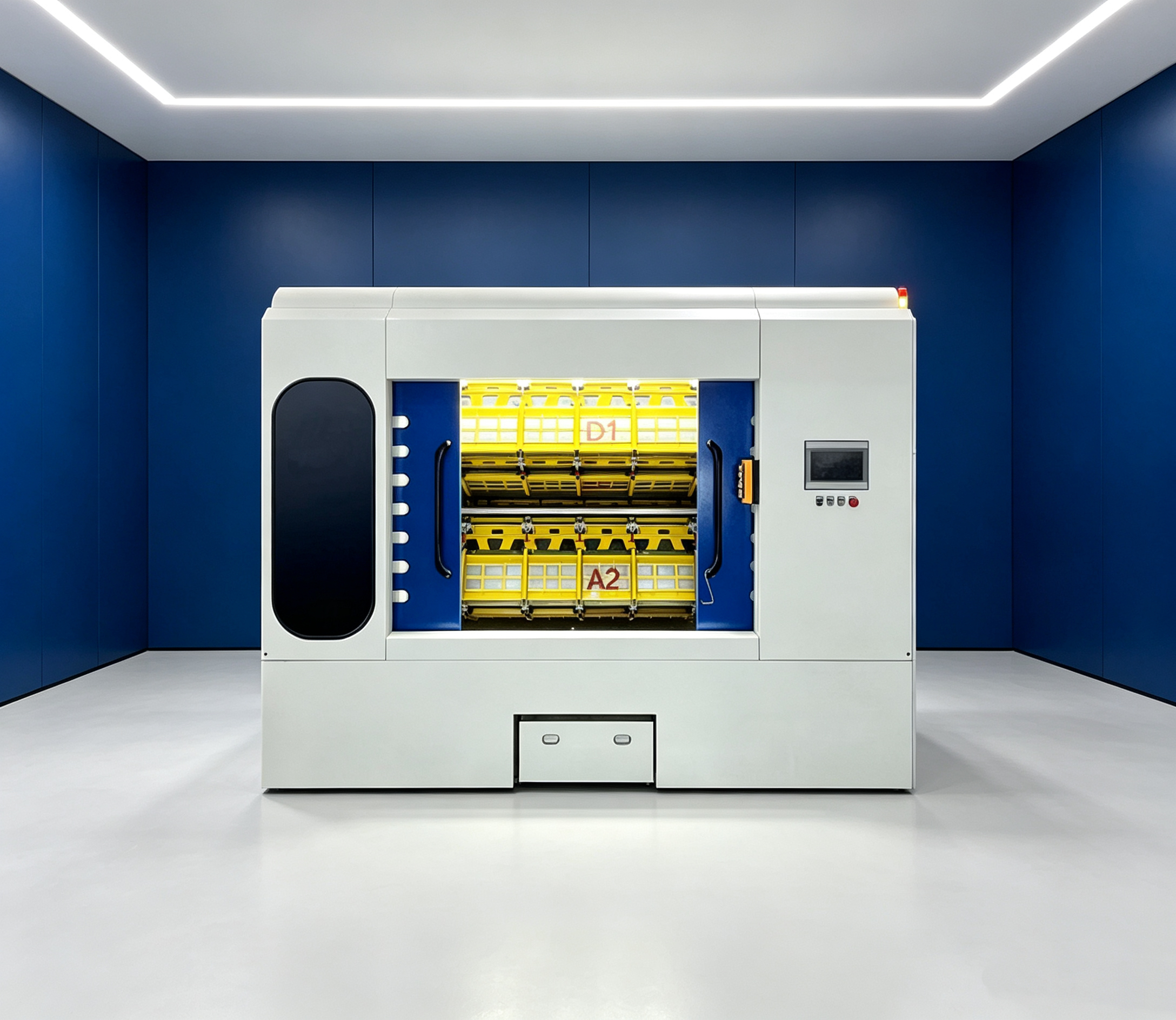
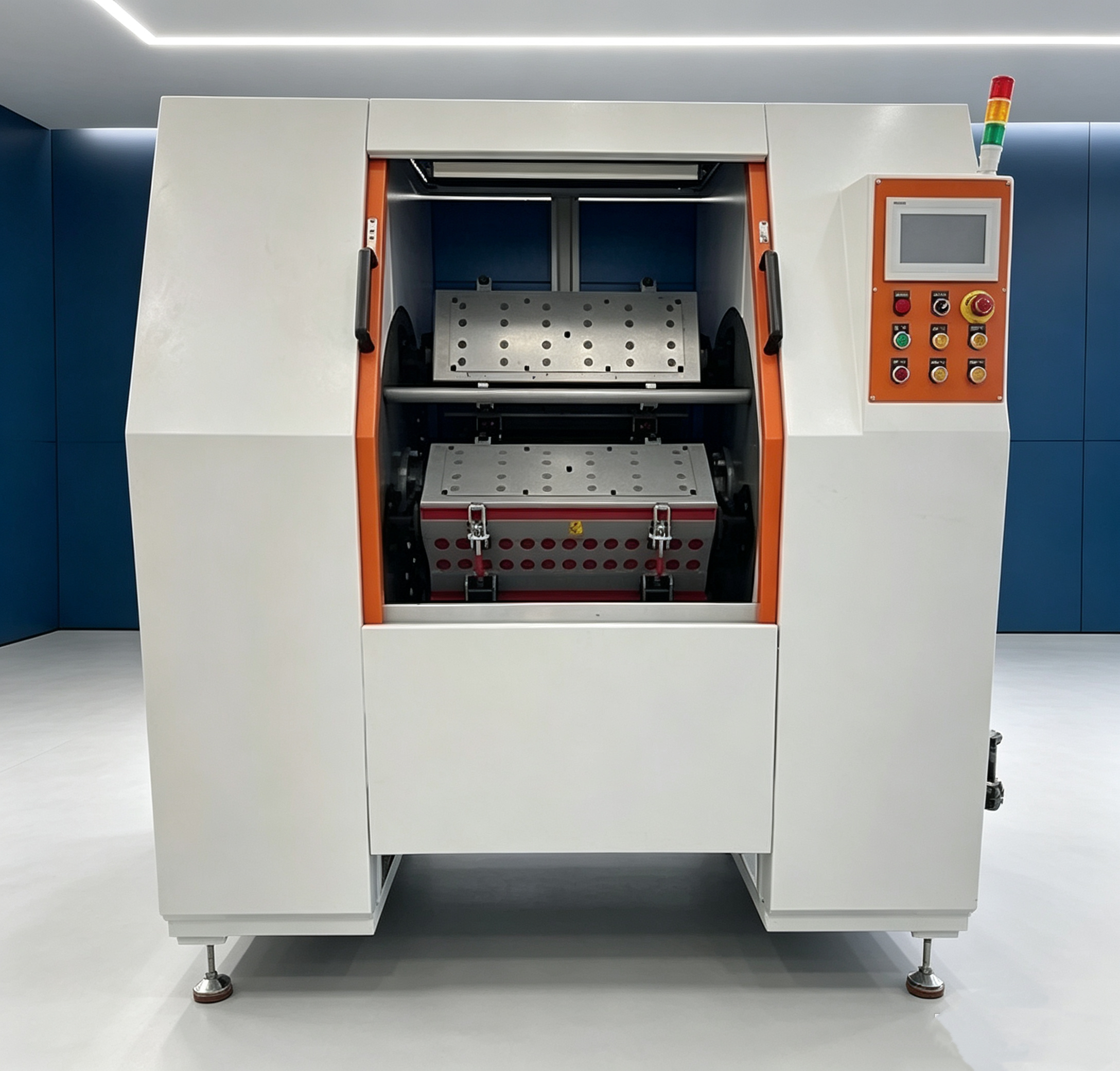
Professional manufacturing grinding, polishing and passivation machines for 30 years

Cart

Your cart is currently empty.

Continue shopping

Your full-service provider, providing you with surface treatment technology solutions

WE ARE DYPOLISHTECH

Vibro Finishing We develop and produce the world's best-selling vibro finishing systems.

We make precision possible!And optional subtext

We make perfection possible! Shot Blasting / Shot Peening


Intelligent design, innovative details and particularly durable components – this is what our shot blasting / shot peening equipment stands for.

🔧Cutting Tool Passivation FAQ

1. What is tool passivation?

Tool passivation (also known as edge honing or edge preparation) is a finishing process that slightly rounds the cutting edge of a tool, removes micro-burrs, and improves surface integrity. It enhances tool durability, reduces chipping, and improves performance in high-speed or heavy-duty cutting applications.

2. What types of tools can be passivated using DYPOLISHTECH machines?

Our passivation machines are suitable for a wide range of tools, including:

  • Carbide and HSS drills

  • End mills

  • Taps and threading tools

  • Reamers

  • TCT circular saw blades

  • Custom and irregularly shaped cutting tools

3. What’s the difference between drag-type and spray-type passivation machines?

  • Drag-Type Passivation Machines (e.g., DY-90-32, DY-130-18)
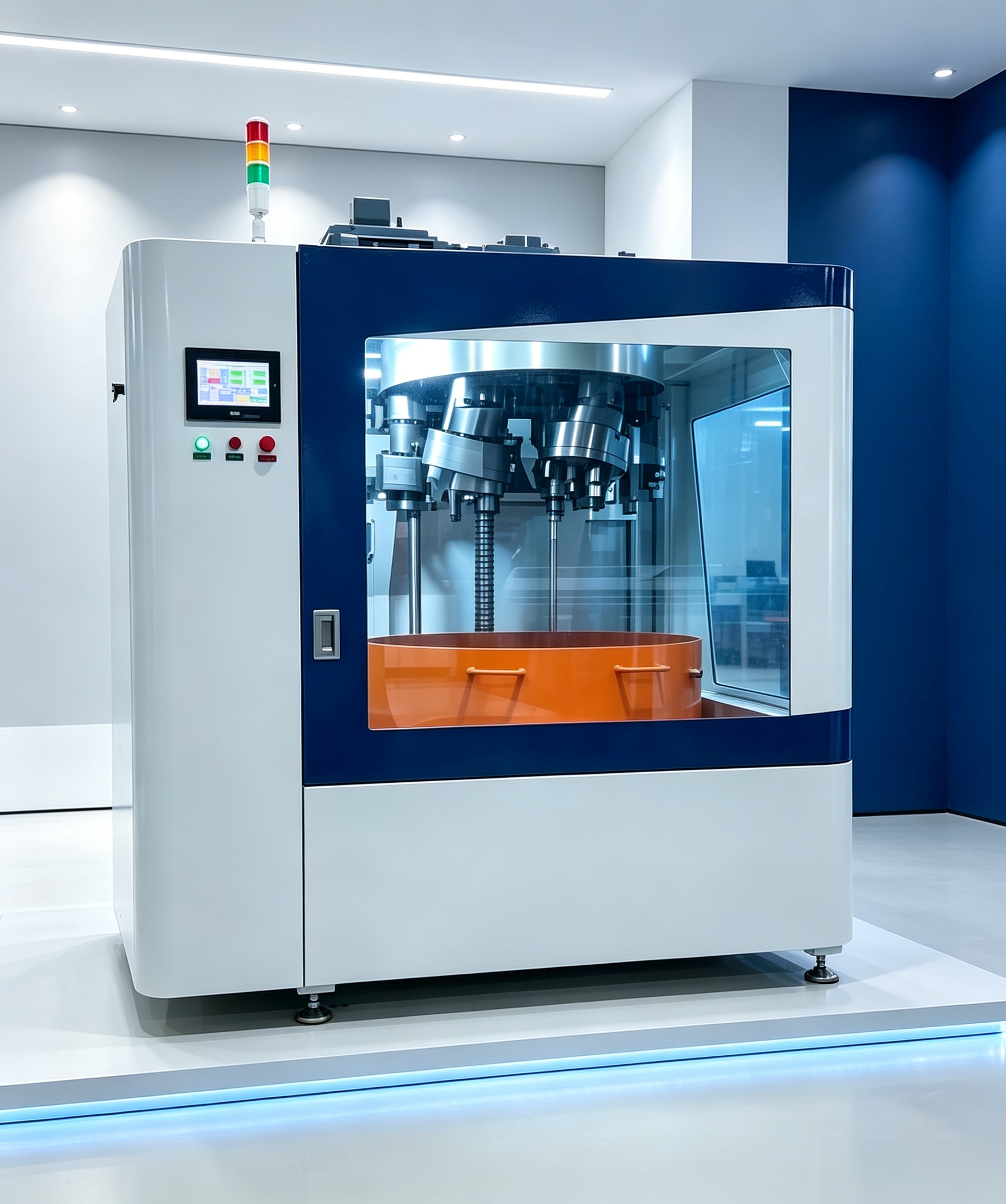
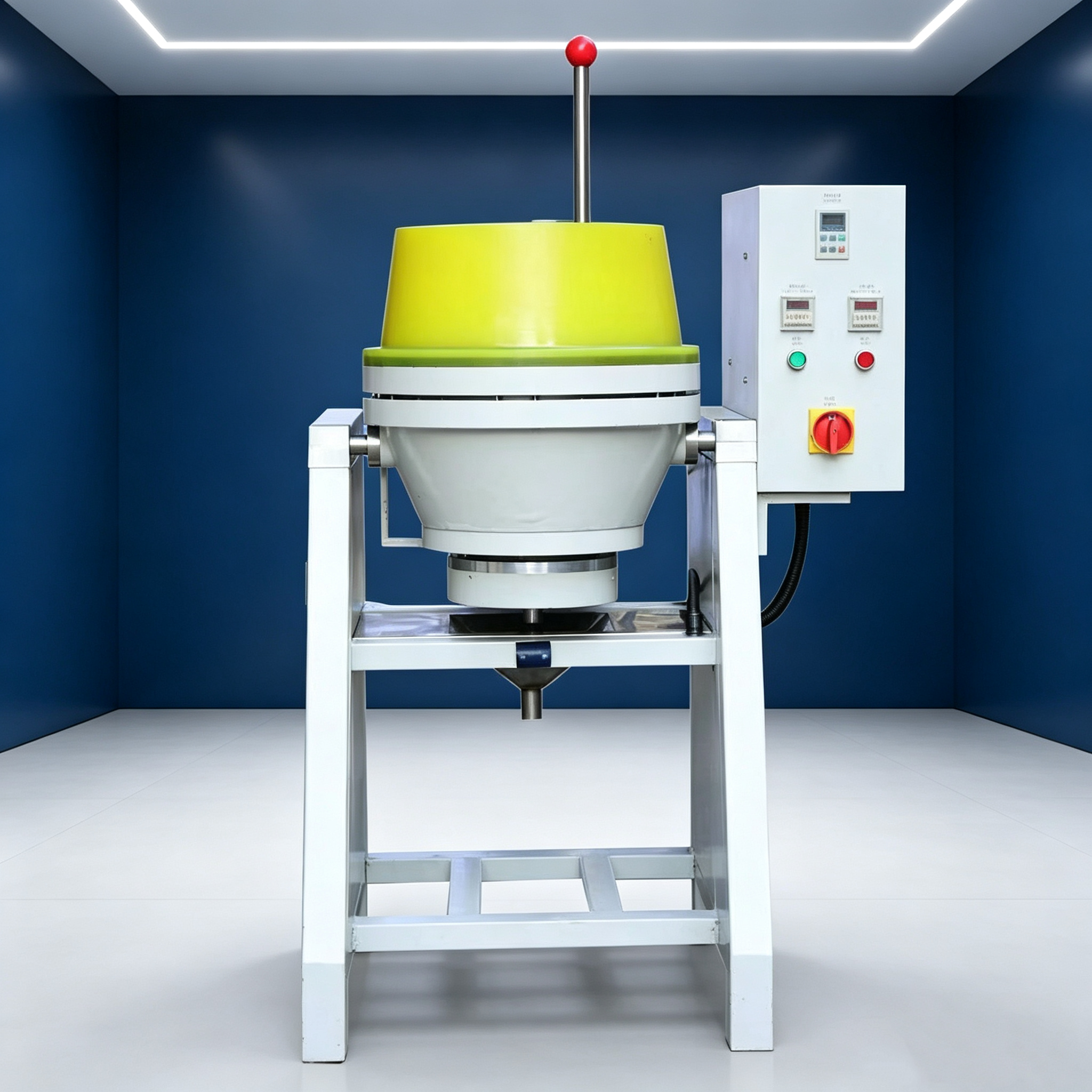
    Use high-speed rotation to drag tools through abrasive media, ideal for batch processing of rotary tools, especially those that are slightly larger or heavier.

  • Spray-Type Passivation Machines (e.g., DY-16-AUTO, DY-MANUAL)
    Use high-pressure jetting of abrasive slurry to target the cutting edges, ideal for more delicate or smaller tools, and allow for precise edge control.

4. Why is edge honing important for cutting tools?

Edge honing ensures:

  • ✅ Longer tool life

  • ✅ Reduced risk of chipping

  • ✅ Improved cutting stability and chip control

  • ✅ Better surface finish on the workpiece

  • ✅ Enhanced coating adhesion (when done pre-coating)

5. Can DYPOLISHTECH machines be customized?

Yes. We offer customized configurations based on your:

  • Tool type and geometry

  • Production volume

  • Degree of automation (manual, semi-auto, fully auto)

  • Workspace size and layout
    Let us know your requirements and we’ll design a solution that fits your operation.

6. What abrasive materials are used in the passivation process?

Our machines typically use diamond abrasive particles or specialized polishing media, depending on the material of the tool and desired edge rounding level. Abrasives are long-lasting, with service life up to 150 hours, depending on usage.

7. How does tool passivation affect coating performance?

Proper passivation improves coating adhesion by smoothing micro-notches and removing burrs that can interfere with the coating layer. It’s a critical pre-treatment step for tools undergoing PVD/CVD coating.

8. What industries benefit from tool passivation?

Tool passivation is widely used in:

  • Aerospace manufacturing

  • Automotive and engine part machining

  • Mold and die making

  • Precision medical device production

  • General machining and tool resharpening services

9. How do I choose the right passivation machine?

It depends on:

  • Your tool types and sizes

  • Desired processing volume (batch vs. custom)

  • Precision requirements

  • Space and automation preferences

Our team can provide free consultation and recommend the best-fit model, such as DY-90-32, DY-130-18, or DY-16-AUTO.

What are the key points of vibration finishing technology? Please browse the FAQ

What is Vibration Finishing?

Batch finishing, tumble finishing and vibratory finishing are different terms that describe the same technique, i.e. the mechanical preparation of the surface of a workpiece. The technique uses polishing or grinding media (also commonly referred to as "abrasives" or "tumble stones"), usually with liquid additives (a mixture of water and chemical compounds), in specialized equipment such as vibratory finishers, centrifuges or drag surf vibratory finishers. A similar process is roll finishing, where material is removed by rotational motion without vibration.

During the vibratory finishing process, the equipment drives the media into a continuous "rubbing" action against the workpiece. The resulting (significantly varying) abrasion removes material from the workpiece surface, resulting in deburring, surface flattening, polishing or cleaning. Vibratory finishing is used in a wide range of industries. For example, it can be used to process single large parts such as automobile wheels or large marine propellers, or it can be used to produce a consistent surface finish on large batches of smaller parts in an economical and controlled manner.

How does Vibratory Finishing work?

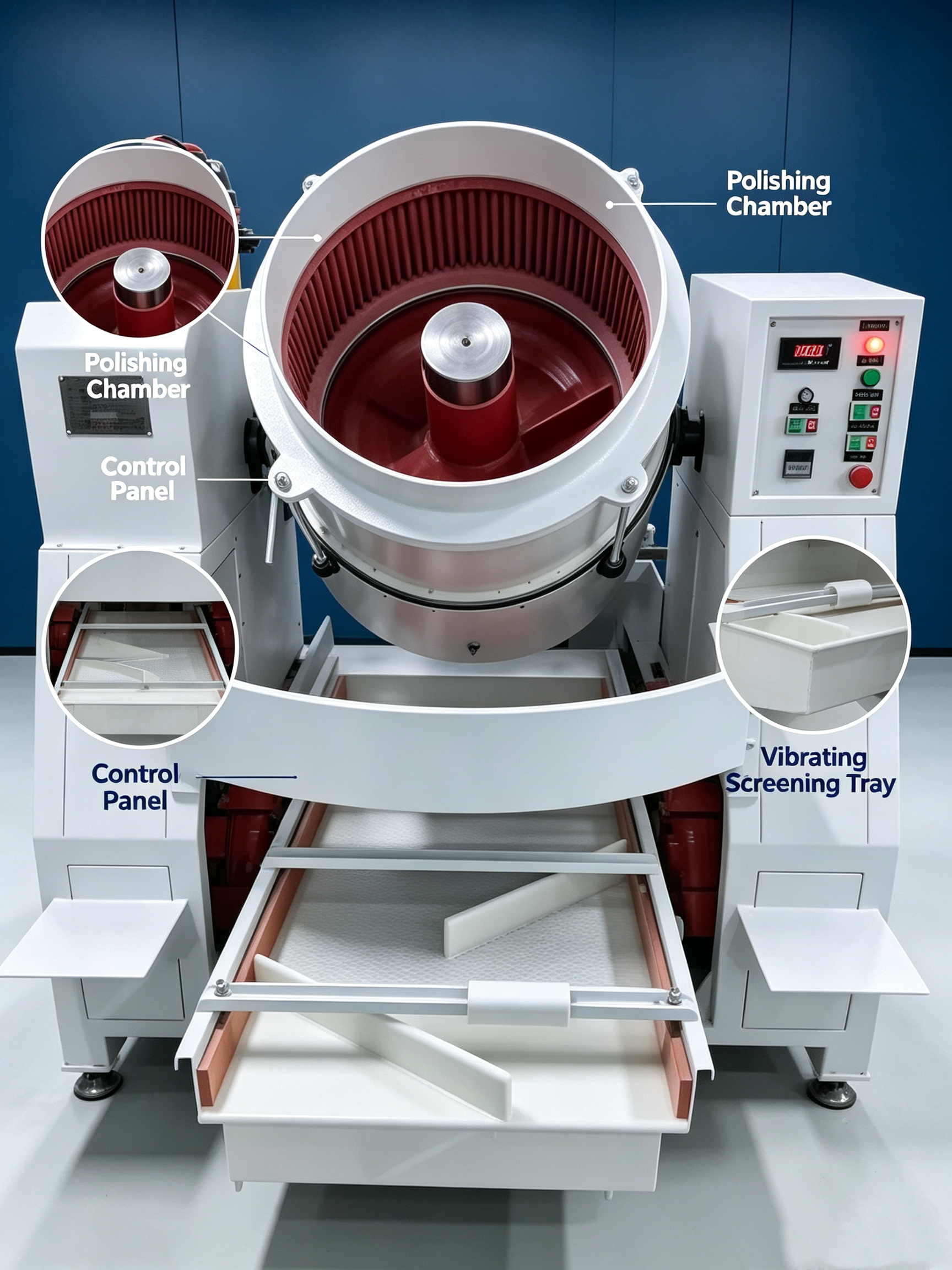
In the most common vibratory finishing machines, the movement of the media and the workpiece is caused by vibrations: the untreated, raw workpiece is placed in a round or rectangular processing bowl together with suitable grinding or polishing media made of resin or ceramic. A motor with an unbalanced device generates vibrations in the drum and causes the media to continuously rub against the workpiece. This results in the removal of material from the surface of the workpiece. Additional surface treatment effects such as corrosion protection, degreasing or general cleaning can be achieved mainly by adding liquid chemical compounds.

What equipment is suitable for vibratory finishing operations?

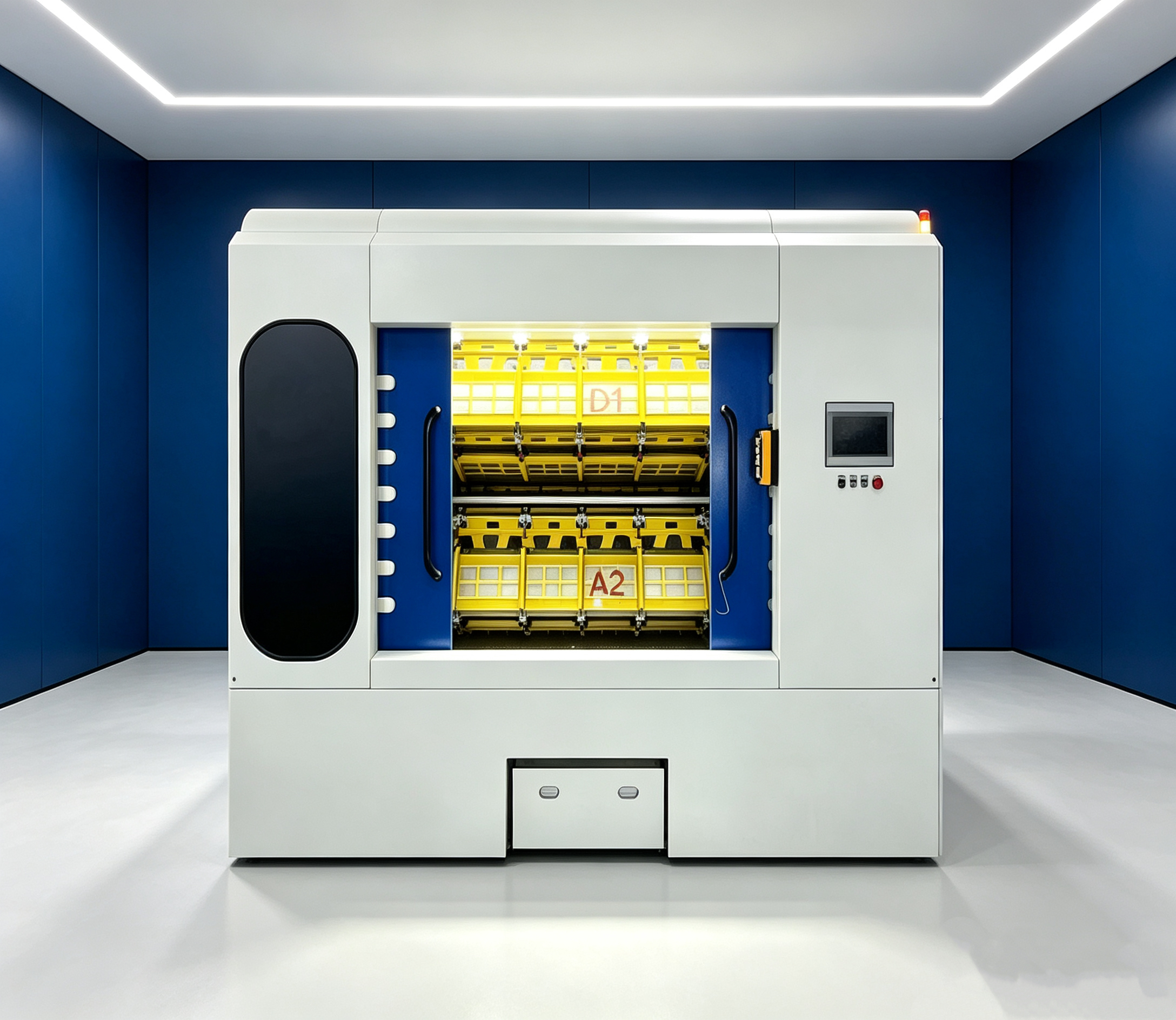
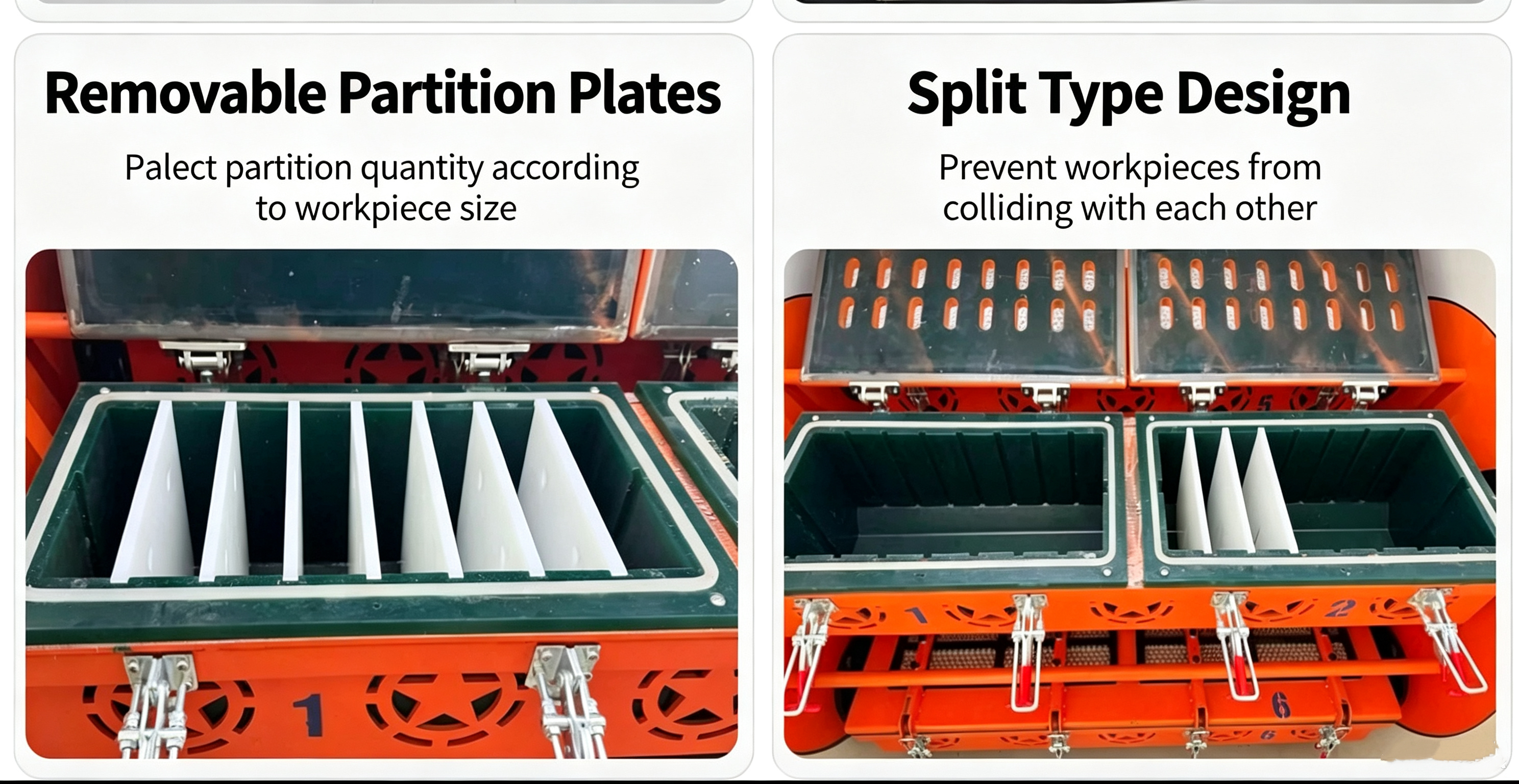
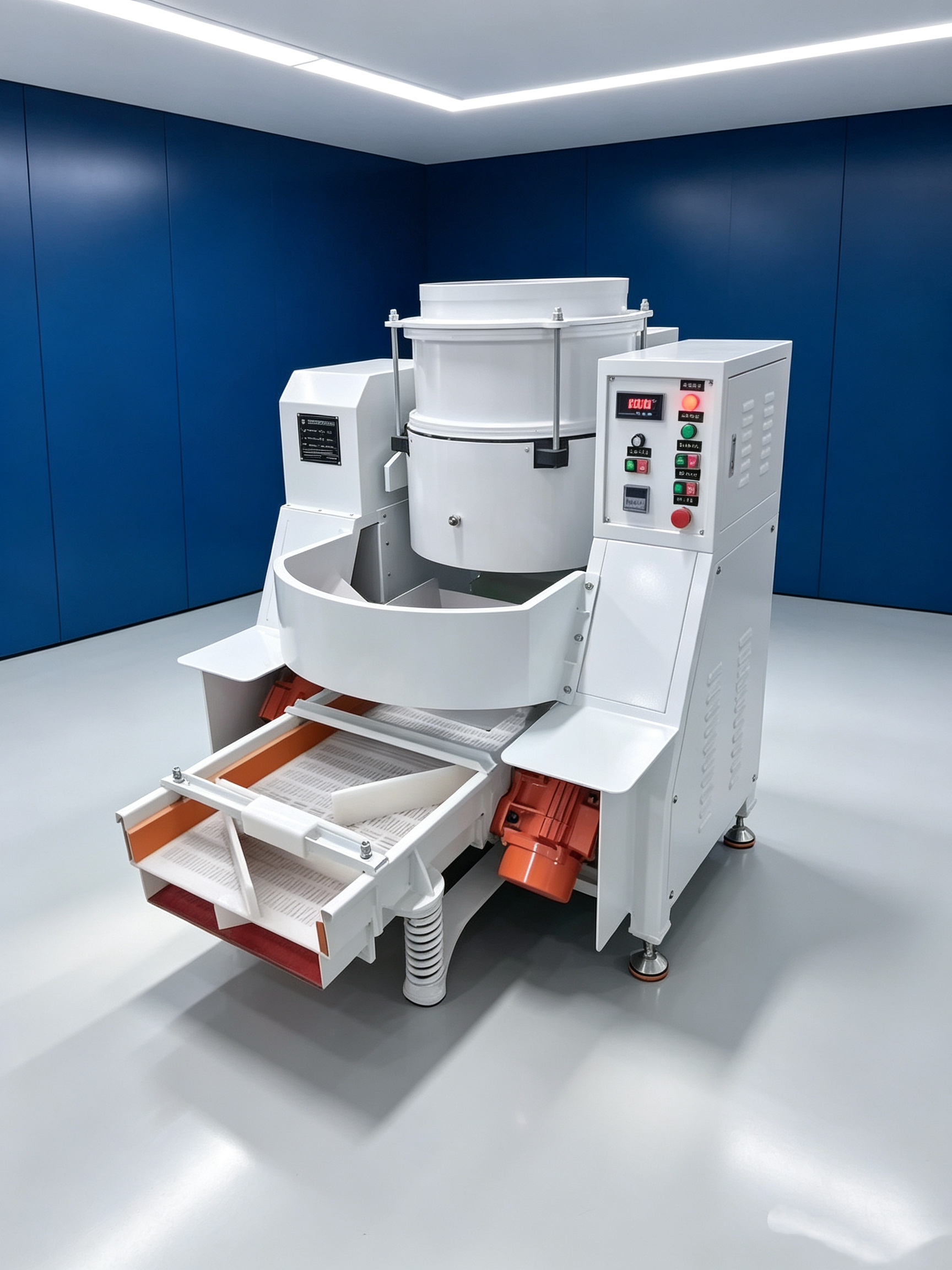
The most popular vibration finishing machines for processing a large number of non-precision workpieces are rotary vibrators, which are available in different versions and sizes. These machines can surface almost all workpiece materials, as long as the workpieces are not too large and not fragile. For processing long and relatively bulky workpieces, barrel vibrators with rectangular processing grooves can be used. Compared with vibration machines, special vibration finishing systems such as centrifugal disc vibrators, drag and surfing have significantly higher processing intensity and can complete the processing of difficult materials in extremely short cycle times. For example, surfing vibration finishing technology optimized by Rösler is the most intensive finishing technology process on the market today, with a processing intensity of up to 50 times that of conventional vibration systems. Another advantage of drag and surfing vibration finishing technology is that the workpieces do not touch each other during the entire processing process, which is particularly important for processing extremely precise workpieces such as orthopedic implants and jet engine parts.

Rotary vibration finishing machine
Straight groove finishing machine
High-energy disc finishing machine
Single-piece processing equipment

Which industries are using Vibratory Finishing technology?

Vibratory finishing technology is used in almost all industrial sectors:

In the automotive industry for deburring, surface smoothing and polishing of transmission components, piston rings or bearing parts; also for surface treatment of visible parts and car wheels.

In the aerospace industry for deburring and surface finishing of turbine blades and other high-precision components.

In medical engineering for polishing orthopedic implants such as hip and knee joints, as well as surgical instruments.

In mechanical engineering for surface treatment of tools, bearing components and mechanical assemblies.

In the jewelry industry for polishing and grinding of small ornaments made of precious metals.

For surface treatment of housings and electrical contact areas of electronic components.

Polish machine

Polishing Equipment

At Dayuan Polishing Technology, we combine cutting-edge innovation, international standards, and customer-oriented service to be your most reliable partner in the field of surface treatment and tool passivation.
Contact us

Most common surface treatment targets

Deburring

Many users use vibratory finishing technology primarily for deburring, i.e. the removal of sharp edges, material that escapes in sharp form and general edge defects resulting from previous manufacturing steps. In most cases, further downstream manufacturing processes are only possible after the workpiece has been subjected to a vibratory finishing operation, often referred to as "tumbling". With the appropriate grinding and polishing media and compounds, almost all materials, even workpieces made of resin, wood and rubber, can be processed.

Polishing

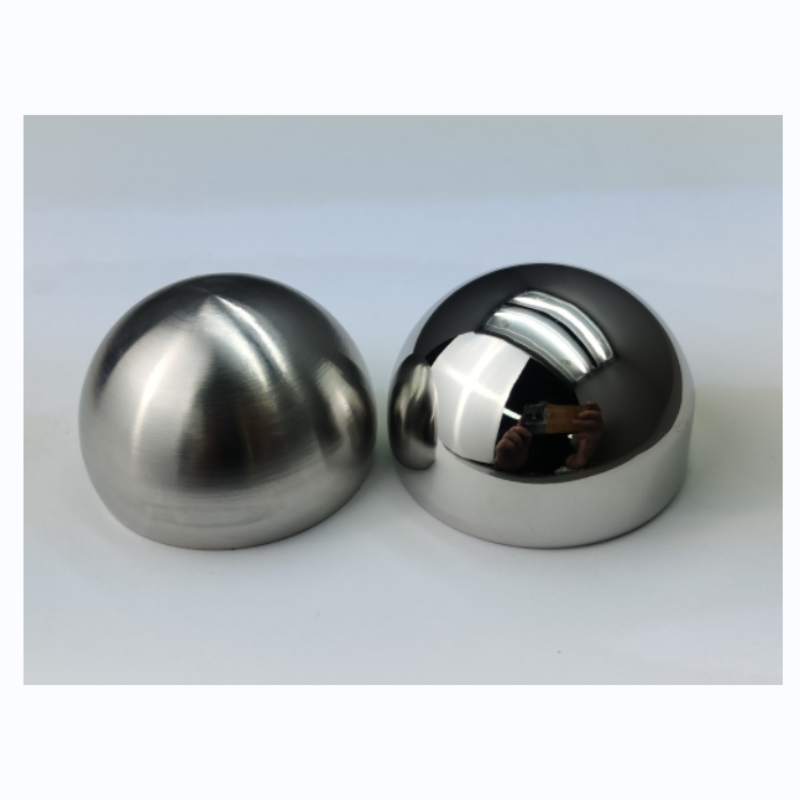
Polishing is one of the most important applications of vibration finishing technology. The polishing objectives can be purely aesthetic, but they can also be functional, such as reducing friction. Polishing is characterized by extremely low abrasion, only a small amount of material is removed, and the workpiece surface becomes extremely smooth and shiny. High-gloss surfaces are achieved by combining different media with special polishing agents (such as paste polishes) and using a multi-step process.

Surface cleaning

Dirt, oxide layers and other contaminants are removed from the workpiece surface. As with other surface preparation operations, cleaning is in many cases an essential prerequisite for safe and efficient downstream manufacturing processes. For example, deep-drawn workpieces are covered with oils and greases and must be cleaned before further processing. Vibratory finishing is also used for unusual applications, such as tableware cleaning in large-scale gastronomic operations or the cleaning and polishing of coin blanks.

Edge chamfering

Edge chamfering, a particularly intensive deburring process, is another important application for mass finishing. Sharp edges and burrs are often created in the upstream process. This radius (rounding) of sharp edges has many positive effects: It helps to reduce wear on downstream process equipment and reduces the risk of injury during assembly operations. In addition, it increases the service life of the individual components. And, if the components are coated, it improves the durability of the coating.
Precision Tool Passivation Machines – Redefining Edge Quality | DYPOLISHTECH

Why Passivation?

In modern manufacturing, tool performance is everything. A properly honed and passivated cutting edge leads to:

  • 🔪 Reduced microchipping

  • 💡 Improved cutting stability

  • 🌀 Smoother chip flow

  • 🛠 Extended tool service life

Whether in aerospace, automotive, mold-making, or precision machining, passivation is a critical step toward reliable, high-efficiency operations.